
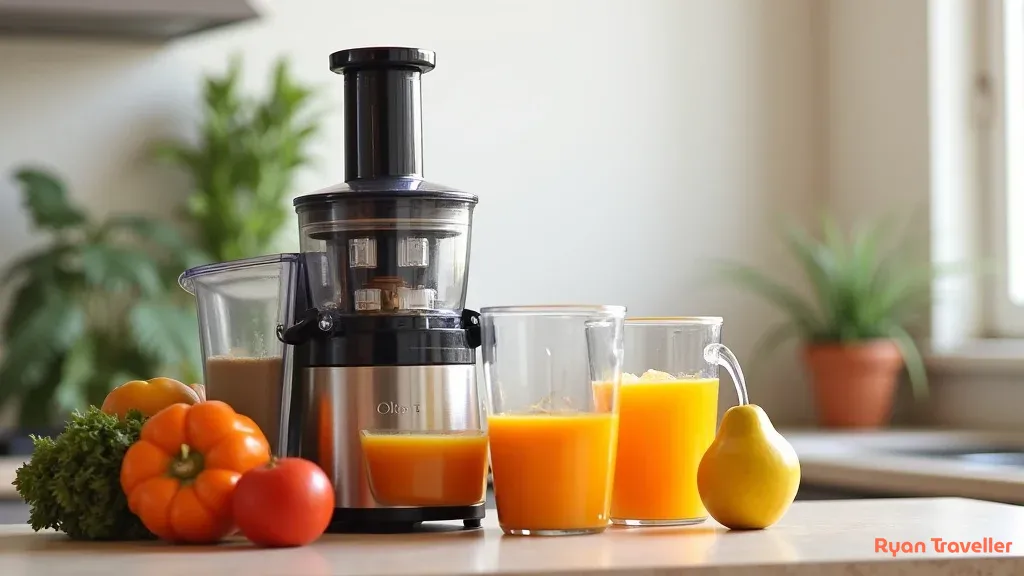
Picking the right juicer for your family can feel like a puzzle, especially when you’re new to juicing. You want something that makes enough juice for everyone, is easy to clean, and works well without costing a fortune. It’s a common question: how to select best juicer for 4 person family. Don’t worry, we’ll break it down into simple steps so you can start making delicious, healthy drinks for your loved ones in no time. Let’s find the perfect juicer together.
Finding the Right Juicer For Your Family
When you have a family of four, your juicing needs are a bit different than if you were just juicing for yourself. You’ll likely need a juicer that can handle larger quantities, perhaps juice a variety of fruits and vegetables efficiently, and most importantly, be simple enough to use and clean regularly. This guide will help you figure out what features matter most and what types of juicers are out there to meet your family’s needs.
Understanding Juicer Types
There are two main types of juicers that most people consider: centrifugal juicers and masticating juicers. Each has its own pros and cons, and knowing the difference is key to selecting the best one for your family.
Centrifugal Juicers
Centrifugal juicers are the most common type you’ll see in stores. They work by using a fast-spinning basket with a grater. The produce is pushed against this grater, and the centrifugal force flings the juice out through a sieve, while the pulp is discarded into a separate container. They are generally faster and less expensive.
Pros of Centrifugal Juicers
- Fast juicing speed
- Typically more affordable
- Easy to use
- Good for harder fruits and vegetables
- Generally produce a higher yield from leafy greens than older models
Cons of Centrifugal Juicers
- Can be noisier
- Juice may have more foam and a slightly warmer temperature
- Oxidation can occur faster, potentially reducing nutrient content over time
- Less effective with very soft fruits and leafy greens compared to masticating juicers
Masticating Juicers
Also known as slow juicers, masticating juicers work by grinding and crushing fruits and vegetables to extract juice. They operate at a much slower speed, which helps to preserve more nutrients and enzymes. The slower process also results in less foam and a purer, less oxidized juice.
Pros of Masticating Juicers
- Excellent nutrient retention
- Produces less foam and heat
- Quieter operation
- Can handle a wider variety of produce, including leafy greens and soft fruits
- Juice can be stored longer
- Often more durable
Cons of Masticating Juicers
- Slower juicing process
- Typically more expensive
- Can be more challenging to clean, especially with very fibrous ingredients
- May require more prep work, like cutting produce into smaller pieces
Key Features To Consider for a Family of Four
When you’re choosing a juicer for your family, certain features become much more important. You’re not just thinking about your own needs; you’re thinking about convenience for multiple people and the overall volume of juice you’ll be making.
Juice Yield and Capacity
For a family of four, you’ll want a juicer that can produce a decent amount of juice in one go. If you plan on making a full pitcher of juice for breakfast or a snack, look for models that are known for their high juice yield. This means getting more juice from your produce and less waste. Some juicers have larger chutes, meaning you can fit more produce in at once, speeding up the process.
Ease of Cleaning
This is a big one for any busy household. If cleaning the juicer is a hassle, it’s less likely to get used regularly. Look for models with fewer parts, dishwasher-safe components, and simple disassembly. Many newer models have features designed to make cleaning quicker, like brushes or special cleaning cycles.
Durability and Build Quality
A juicer for a family of four will likely get a lot of use. Investing in a well-built machine means it will last longer and perform consistently. Check reviews for feedback on how well the juicer holds up over time. Materials like stainless steel and BPA-free plastics are good indicators of quality.
Motor Power and Speed
For centrifugal juicers, a more powerful motor can mean faster juicing and better efficiency, especially with harder produce. For masticating juicers, the “slow” speed is intentional, but the motor still needs to be strong enough to effectively grind and press ingredients.
Feed Chute Size
A wider feed chute means you can insert larger pieces of fruit and vegetables, or even whole fruits and vegetables in some cases. This saves you time on prep work, which is invaluable when you’re trying to get juice for four people quickly.
Noise Level
If you plan to juice in the morning while others are still sleeping, or if you have sensitive ears in the family, noise level can be a significant factor. Masticating juicers are generally much quieter than centrifugal juicers.
Pulp Ejection
Consider how the pulp is ejected. Some juicers have an automatic pulp ejection system that continuously pushes pulp out, allowing you to juice for longer periods without stopping to empty a container. For a family, this can be a real time-saver.
Comparing Popular Juicer Models for Families
To help you visualize what might work best, here’s a look at how different juicer types and features stack up for family use.
| Feature | Centrifugal Juicer (General) | Masticating Juicer (Single Auger) | Twin Gear Juicer (Advanced Masticating) |
|---|---|---|---|
| Juice Yield | Good | Excellent | Excellent |
| Juice Quality | Good, can be foamy | Excellent, less foam | Excellent, very pure |
| Speed | Fast | Slow | Slow |
| Noise Level | Moderate to High | Low | Low |
| Prep Time | Less | More | More |
| Cleaning Ease | Moderate | Moderate to Difficult | Difficult |
| Cost | Lower | Moderate to High | High |
| Best For Family Of Four | Good for quick, high-volume batches if budget is a concern. | Great for daily use, nutrient-dense juices, and if quiet operation is key. | Best for serious juicers who want maximum nutrition and juice from tougher produce. |
When thinking about the best juicer for a 4 person family, consider your daily routine. If you’re making juice every morning before school and work, a faster centrifugal might be appealing. However, if you value maximum nutrients and a quieter experience, a masticating juicer might be worth the extra time and cost.
Tips for Making the Most of Your Juicer
Once you’ve chosen your juicer, here are some tips to ensure you and your family get the most out of it.
- Prep Smart: Wash your produce thoroughly. For some juicers, especially masticating ones, you might need to cut harder vegetables or fruits into smaller, manageable pieces. Remove pits and large seeds from fruits like peaches and cherries, as these can damage the juicer.
- Juice Leafy Greens Effectively: If you love green juices, learn your juicer’s capabilities with leafy greens. Some juicers handle them better than others. Often, wrapping leafy greens tightly or feeding them alongside harder produce can improve extraction.
- Don’t Waste Pulp: The pulp left behind is still nutritious. You can use it in baked goods like muffins or pancakes, add it to smoothies, or even use it in compost.
- Clean Immediately: The easiest time to clean a juicer is right after you’ve finished using it. Rinse the parts as soon as possible to prevent juice residue from drying and becoming harder to remove.
- Experiment with Recipes: Encourage your family to try different fruit and vegetable combinations. This is a great way to introduce a variety of nutrients into your diet and find new favorite juice recipes.
Specific Produce Considerations
Different fruits and vegetables behave differently in juicers. Knowing this can help you choose a juicer that’s best suited for the types of juices you and your family enjoy most.
Hard vs. Soft Produce
Centrifugal juicers generally excel with harder fruits and vegetables like carrots, beets, and apples. Their high speed helps to break these down effectively. Masticating juicers, with their grinding action, are also very good with hard produce, often extracting more juice.
For softer fruits like berries, tomatoes, and grapes, masticating juicers tend to perform better. They can gently press these items to extract juice without generating as much heat or foam. Centrifugal juicers can sometimes struggle with very soft produce, leading to a mushier pulp and less efficient juice extraction.
Leafy Greens
Leafy greens, such as spinach, kale, and wheatgrass, are notoriously tricky. Masticating juicers are generally superior for juicing leafy greens. Their slow grinding action can effectively break down the tough fibers and extract the precious nutrients. Some centrifugal juicers have improved their performance with greens over the years, but it’s still a primary strength of masticating models.
Citrus Fruits
Many juicers can handle citrus. Some are specifically designed for citrus, with a cone-shaped attachment for reaming. For whole citrus, both centrifugal and masticating juicers can work, though you might need to peel them first for optimal results and to avoid bitter pith. Masticating juicers might offer a purer citrus juice with less pulp.
Maintenance and Longevity
To ensure your juicer serves your family for years to come, proper maintenance is key.
Regular Cleaning
As mentioned, cleaning immediately after use is vital. Most parts can be washed with warm, soapy water and a brush. Some parts might be dishwasher safe, but always check your manual.
Deep Cleaning
Periodically, you’ll want to give your juicer a more thorough cleaning. This might involve soaking parts or using a specialized cleaning brush to get into nooks and crannies. This prevents any build-up that could affect performance or hygiene.
Storage
Store your juicer in a dry place. Ensure all parts are completely dry before reassembling or storing to prevent mold or mildew.
Budgetary Considerations
Juicers can range from under $50 to over $500. When you’re trying to figure out how to select best juicer for 4 person family, your budget will play a significant role.
Entry-Level Options
You can find basic centrifugal juicers for a relatively low cost. These are great for trying out juicing to see if your family enjoys it. They can produce decent volumes, but may not be the most durable or efficient for all types of produce.
Mid-Range Choices
This price point often offers a good balance of features, performance, and durability. You might find more powerful centrifugal juicers or solid single-auger masticating juicers here. These are often excellent choices for a family of four.
High-End Investments
Premium masticating juicers, especially twin-gear models, are at the higher end of the price spectrum. They offer the best performance, nutrient retention, and durability, but come with a significant investment. If juicing is a daily lifestyle choice for your family, this might be a worthwhile long-term investment.
Frequently Asked Questions
Question: What is the best type of juicer for a family of four?
Answer: For a family of four, a high-yield centrifugal juicer or a single-auger masticating juicer are often the best choices. Centrifugal juicers are faster and good for larger batches, while masticating juicers offer better nutrient retention and can handle leafy greens well.
Question: How much juice can a family of four expect to get from a typical juicer?
Answer: A good juicer for a family of four should be able to produce at least 1 to 1.5 liters (about 30-45 ounces) of juice in a single session, depending on the produce used and the juicer’s efficiency.
Question: Are juicers for families difficult to clean?
Answer: Cleaning ease varies. Centrifugal juicers tend to be quicker to rinse, while masticating juicers can take a bit more time. Look for models with fewer parts and dishwasher-safe components to simplify cleaning.
Question: Can I juice a variety of fruits and vegetables with a juicer for a family?
Answer: Yes, most juicers for families are designed to handle a good range of produce. Masticating juicers are generally more versatile, excelling with both hard produce and leafy greens, while centrifugal juicers are best for harder items.
Question: Should I choose a juicer based on noise level for my family?
Answer: If noise is a concern, especially for early mornings or during naps, a masticating juicer is a much quieter option than a centrifugal juicer.
Final Thoughts
Deciding on how to select best juicer for 4 person family involves looking at what you want your juicing routine to be. Think about how much juice you’ll make, what kinds of fruits and vegetables you enjoy, and how much time you want to spend on prep and cleaning. For families, speed and capacity are often big factors, making centrifugal juicers appealing for quick morning sessions. If you’re focused on getting the most nutrients and enjoy a quieter kitchen, a masticating juicer is a fantastic option. No matter which type you lean towards, prioritize ease of cleaning and durability so your juicer becomes a loved and well-used appliance. Don’t be afraid to read reviews from other families who have made the same choice. With a little bit of research, you’ll find a juicer that brings healthy, delicious drinks to your family’s table for years to come. Happy juicing!